



Adrenergic Receptor
Beta Receptor
Adrenergic receptors are a class of G protein-coupled receptors that are targets of the catecholamines, especially norepinephrine and epinephrine. Many cells possess these receptors, and the binding of a catecholamine to the receptor will generally stimulate the sympathetic nervous system. The sympathetic nervous system is responsible for the fight-or-flight response, which includes widening the pupils of the eye, mobilizing energy, and diverting blood flow from non-essential organs to skeletal muscle. There are two main groups of adrenergic receptors, α and β, with several subtypes. α receptors have the subtypes α1 and α2. β receptors have the subtypes β1, β2 and β3. All three are linked to Gs proteins, which in turn are linked to adenylate cyclase. Agonist binding thus causes a rise in the intracellular concentration of the second messenger cAMP. Downstream effectors of cAMP include cAMP-dependent protein kinase (PKA), which mediates some of the intracellular events following hormone binding.
Adrenergic Receptor Isoform Specific Products
All Product Categories
-
Adrenergic Receptor Inhibitors
(267)
View all products
-
Adrenergic Receptor Agonists
(502)
View all products
-
Adrenergic Receptor Antagonists
(545)
View all products
-
Adrenergic Receptor Activators
(45)
View all products
-
Adrenergic Receptor Modulators
(19)
View all products
-
Adrenergic Receptor Degrader
(1)
View all products
-
Adrenergic Receptor Controls
(8)
View all products
-
Adrenergic Receptor Substrates
(3)
View all products
-
Adrenergic Receptor Ligands
(17)
View all products
-
Adrenergic Receptor Related Products (1622)
Related Products (1622)

-
Antibodies (4)
-
Adrenergic Receptor Isoform Comparison
-
(S)-Carvedilol
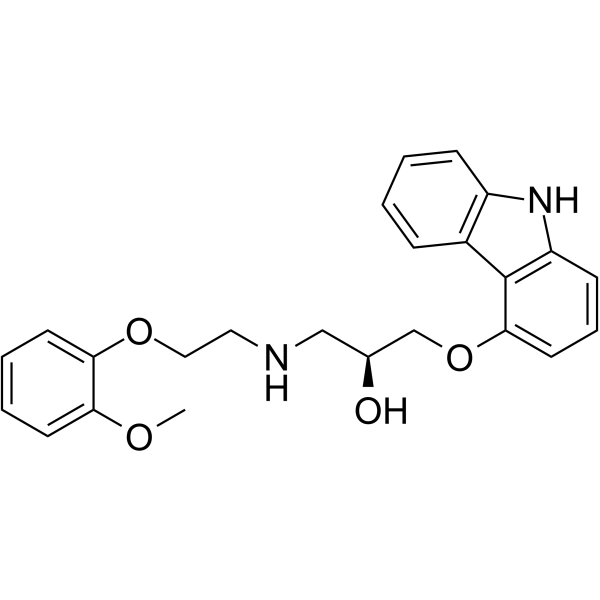 0 ImagesSynonyms: (S)-BM 14190(S)-Carvedilol, the S-enantiomer of Carvedilol, is a non-selective β/α-1 blocker. (S)-Carvedilol exerts protection against the vascular or cardiac toxicity of Doxorubicin (DOX).
-
Guanabenz Acetate
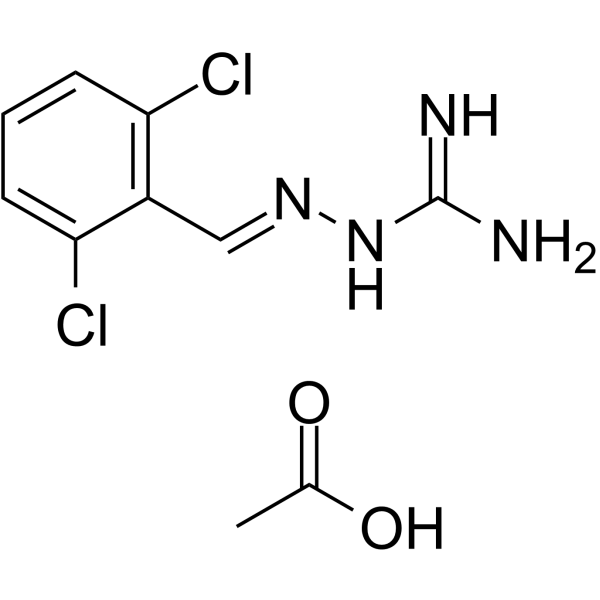 0 ImagesSynonyms: BR-750; Wy8678 acetateGuanabenz (Acetate) (BR-750) is an alpha-2 selective adrenergic agonist used as an antihypertensive agent.
-
Guanfacine
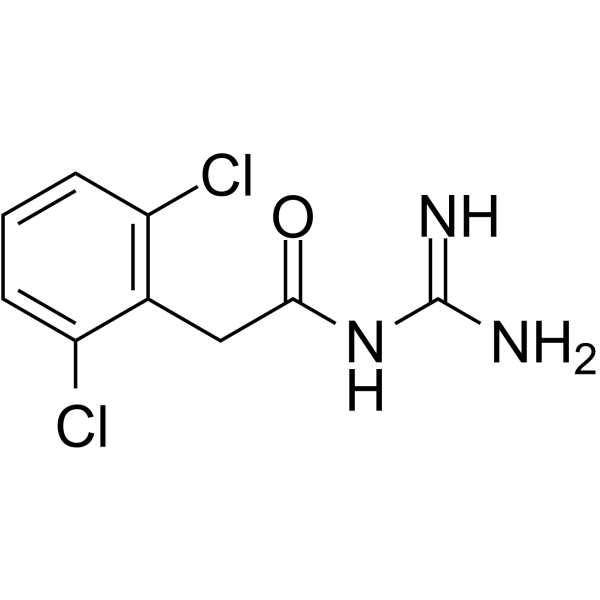 0 ImagesGuanfacine is an orally active noradrenergic α2A agonist and has high selective for the α2A receptor subtype. Guanfacine has effects in producing hypotension and sedation. Guanfacine can be used for the research of a variety of prefrontal cortex (PFC) cognitive disorders, including tourette's syndrome and attention deficit hyperactivity disorder (ADHD).
-
Dobutamine
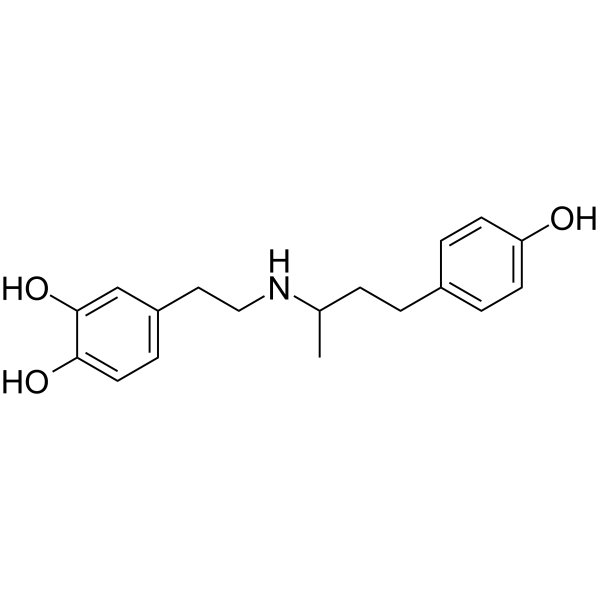 0 ImagesDobutamine is a synthetic catecholamine that acts on α1-AR, β1-AR, β2-AR (α-1, β-1 andβ-2 adrenoceptors). Dobutamine is a selective β1-AR agonist, relatively weak activity at α1-AR and β2-AR. Dobutamine can increase cardiac output and correct hypoperfusion.
-
BMY 7378
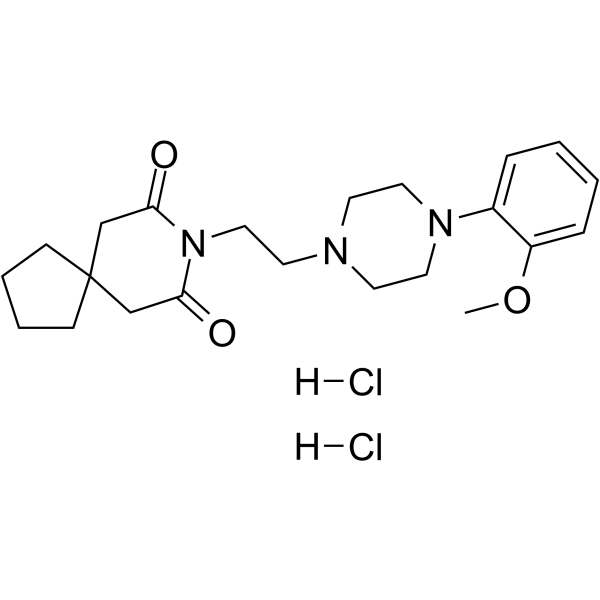 0 ImagesBMY 7378 is a selective antagonist of α1D-adrenoceptor (α1D-AR). BMY 7378 binds to membranes expressing the cloned rat α1D-AR with a >100-fold higher affinity (Ki=2 nM) than binding to either the cloned rat α1A-AR (Ki=800 nM) or the hamster α1B-AR (Ki=600 nM). BMY 7378 is a 5-HT1A receptor partial agonist.
-
Reboxetine mesylate
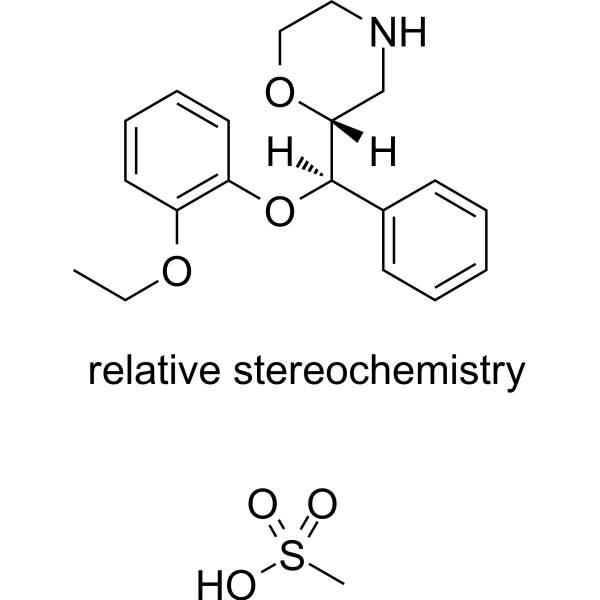 0 ImagesSynonyms: FCE20124 mesylate; PNU155950E mesylateReboxetine mesylate (FCE20124 mesylate) is a potent, selective, and specific noradrenaline reuptake inhibitor (NARI) for the research of depression. Reboxetine mesylate inhibits the uptake of norepinephrine, with a Ki of 8 nM.
-
Phentolamine hydrochloride
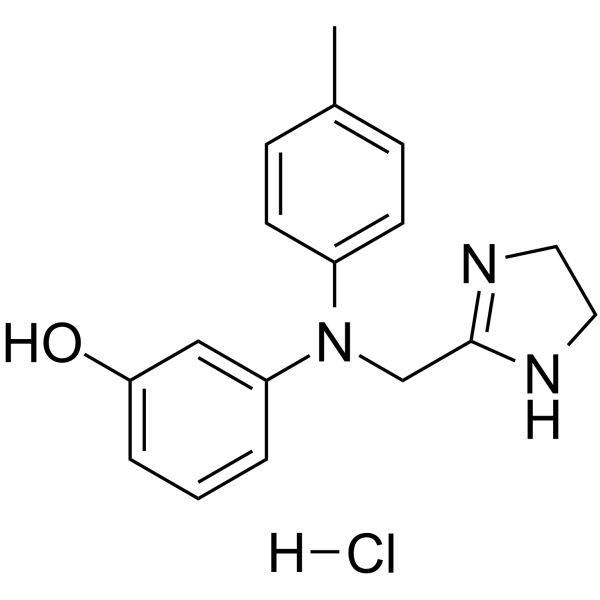 0 ImagesPhentolamine hydrochloride is an orally active, selective α1 and α2 Adrenergic receptor antagonist. Phentolamine hydrochloride antagonizes the vasodilatory effect of Cromakalim (HY-110011) on isolated circumflex coronary artery segments in dogs. Phentolamine hydrochloride reduces systemic vascular resistance and increases cardiac output. Phentolamine hydrochloride improves erectile dysfunction. Phentolamine hydrochloride can be used for the research of erectile dysfunction.
-
Terbutaline sulfate
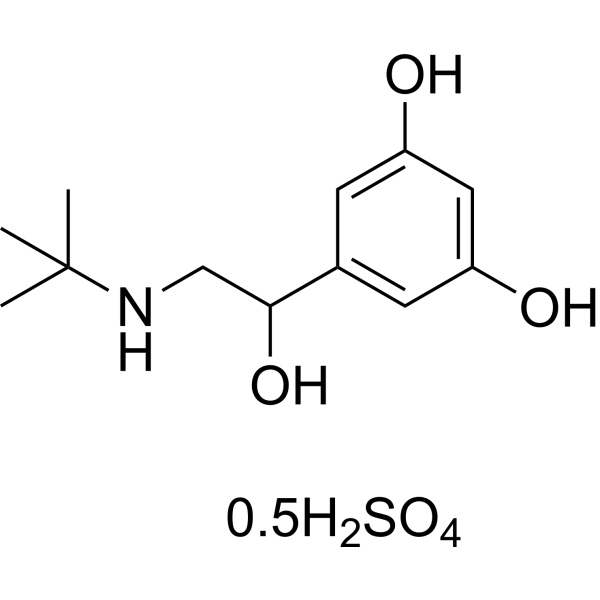 0 ImagesSynonyms: Terbutaline hemisulfateTerbutaline sulfate is an orally active β2-adrenergic receptor agonist and an active metabolite of bambuterol. Terbutaline sulfate can be used in asthma symptom research.
-
Tamsulosin hydrochloride
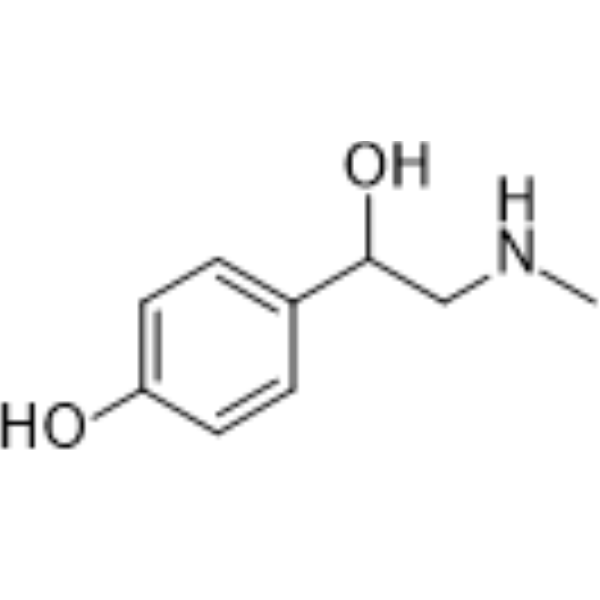
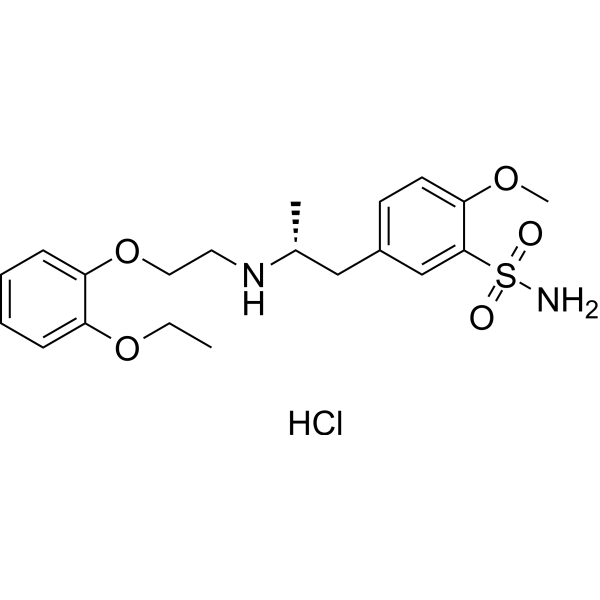 0 ImagesSynonyms: (R)-(-)-YM12617; LY253351Tamsulosin hydrochloride ((R)-(-)-YM12617 free base) is an orally active antagonist of α1-adrenergic receptor. Tamsulosin hydrochloride induces Apoptosis. Tamsulosin hydrochloride is used for the research of prostatic hyperplasia. Tamsulosin hydrochloride attenuates abdominal aortic aneurysm growth and inhibits inflammation in animal models.
-
Guanabenz
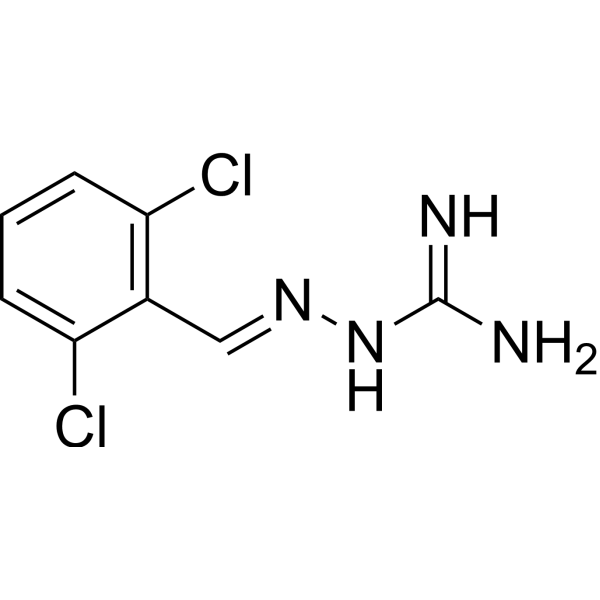 0 ImagesGuanabenz is an orally active α-2-adrenoceptor agonist. Guanabenz has antihypertensive effect and antiparasitic activity. Guanabenz interferes ER stress-signalling and has protective effects in cardiac myocytes. Guanabenz also is used for the research of high blood pressure.
-
Isoprenaline
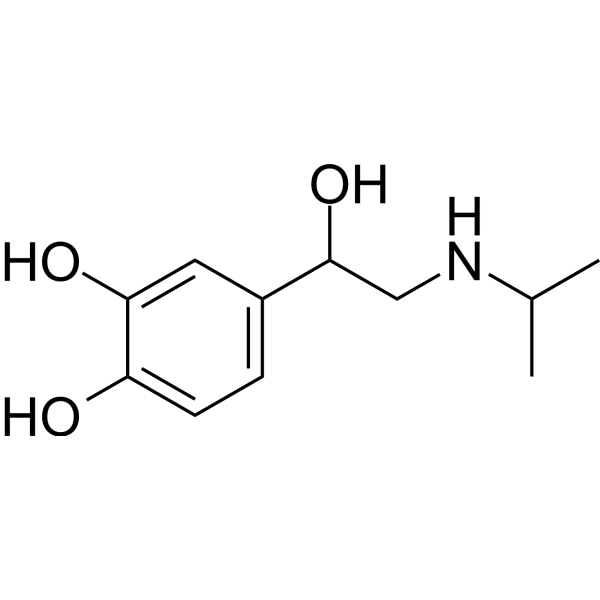 0 ImagesIsoprenaline is a non-selective, orally active β-adrenergic receptor agonist. Isoprenaline has potent peripheral vasodilator, bronchodilator, and cardiac stimulating activities. Isoprenaline can be used for the research of bradycardia and bronchial asthma.
-
Trazodone hydrochloride
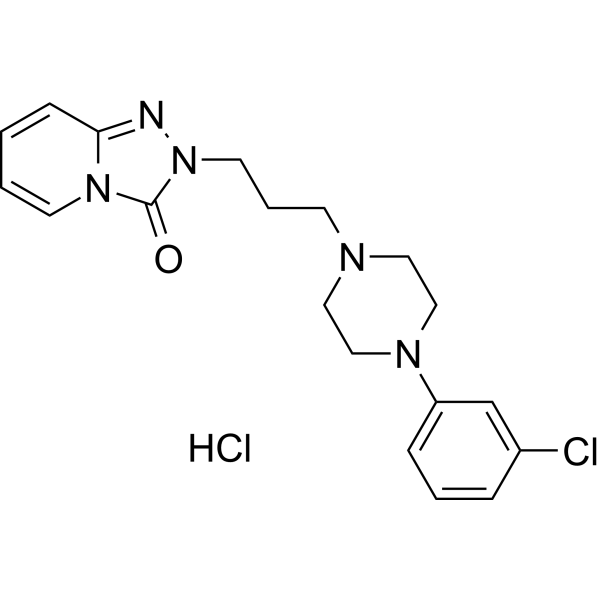 0 ImagesSynonyms: AF-1161Trazodone hydrochloride (AF-1161) is a triazolopyridine derivative that belongs to the class of serotonin receptor antagonists and reuptake inhibitors (SARIs). Trazodone hydrochloride has anti-depressant and anti-insomnious activity. Trazodone hydrochloride exerts antagonistic properties against a1- and a2-adrenergic receptors and histamine H1 receptors, with minimal anticholinergic effects.
-
Promethazine hydrochloride
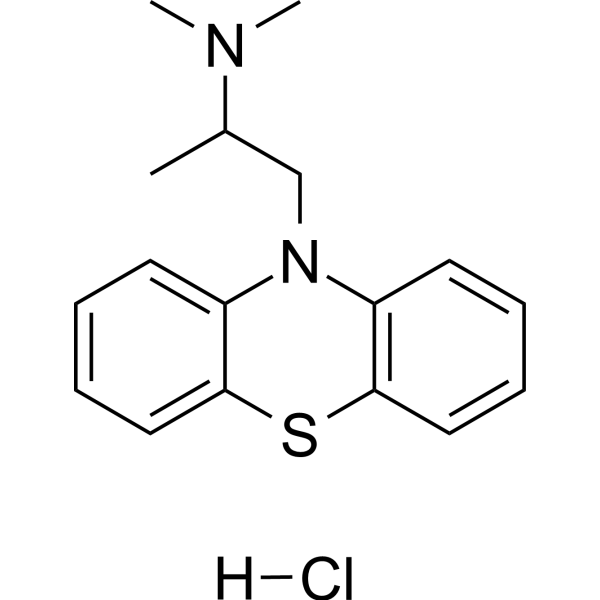 0 ImagesPromethazine hydrochloride is an orally active phenothiazine derivative with antihistaminic (H1), sedative, antiemetic, anticholinergic, and antimotion sickness properties. Promethazine hydrochloride is a potent H1 receptor antagonist and a mAChR antagonist. It also has a certain affinity for 5-HT2A and 5-HT2C receptors.
-
Doxazosin mesylate
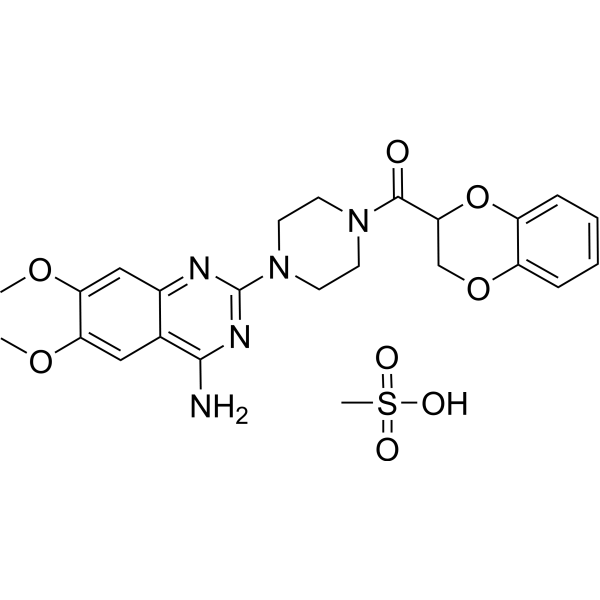 0 ImagesSynonyms: UK 33274 mesylateDoxazosin mesylate (UK 33274 mesylate) is a quinazoline-derivative that selectively antagonizes postsynaptic α1-adrenergic receptors.
-
BRL-44408 maleate
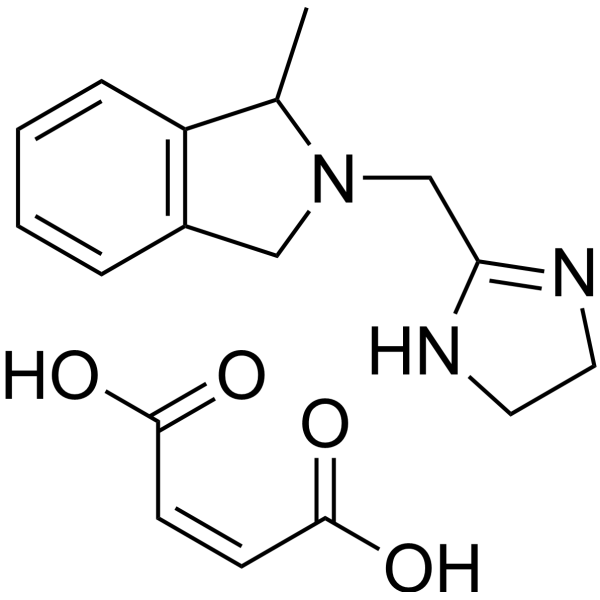 0 ImagesBRL-44408 maleate is a selective, blood-brain barrier-permeable α2A-adrenergic receptor antagonist with a Ki value of 8.56 nM against human targets. BRL-44408 maleate exhibits activities such as antidepressant, analgesic effects and attenuation of sepsis-induced acute lung injury by regulating the release of neurotransmitters such as norepinephrine and dopamine, or inhibiting signaling pathways including ERK1/2, p38MAPK and p65. BRL-44408 maleate can be used in studies related to acute respiratory distress syndrome, depression and visceral pain.
-
Xamoterol hemifumarate
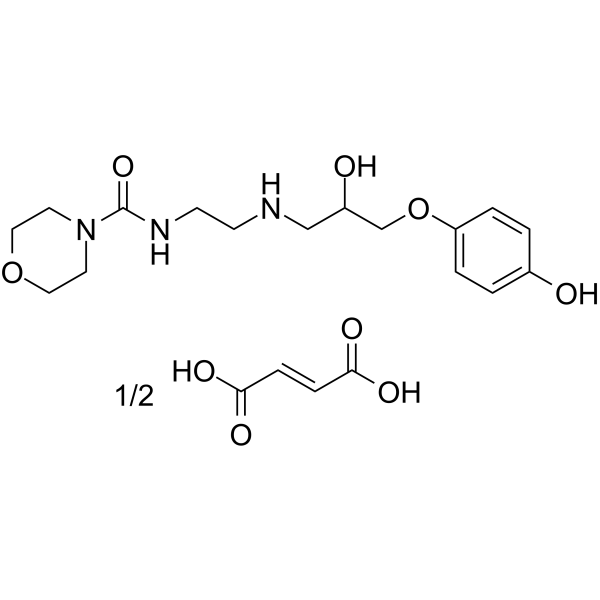 0 ImagesSynonyms: Corwin hemifumarate; ICI 118587 hemifumarateXamoterol (Corwin; ICI 118587) hemifumarate is an orally active and selective β1-adrenoceptor partial agonist. Xamoterol hemifumarate acts as agonist at low sympathetic tone, antagonist at high sympathetic tone, with context-dependent cardiovascular effects including modulated heart rate, blood pressure, and cardiac output. Xamoterol hemifumarate can be used for the research of heart failure, postural hypotension, and ischemic heart disease.




